Articles and Stories From Across the Globe
Each article opens a window into how horses continue to influence communities and culture, both practically and spiritually.
Some stories branch off into cultures steeped in equestrian heritage. Others take a closer look at breeds, or delve into the tack and riding styles that have shaped — and been shaped by — local terrain, tradition, and purpose.
Whether you're a rider, a traveler, or simply curious, let this be your guide to the global language of horsemanship — one story at a time.
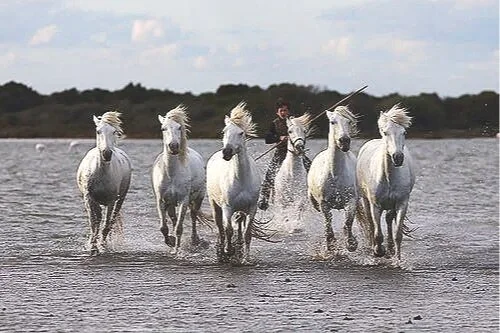
Tough, white, and semi-feral, the Camargue horse is a living part of southern France’s wetland culture. This article explores the breed’s origins, traits, working life with the Gardians, and how tradition and ecology keep it thriving today.
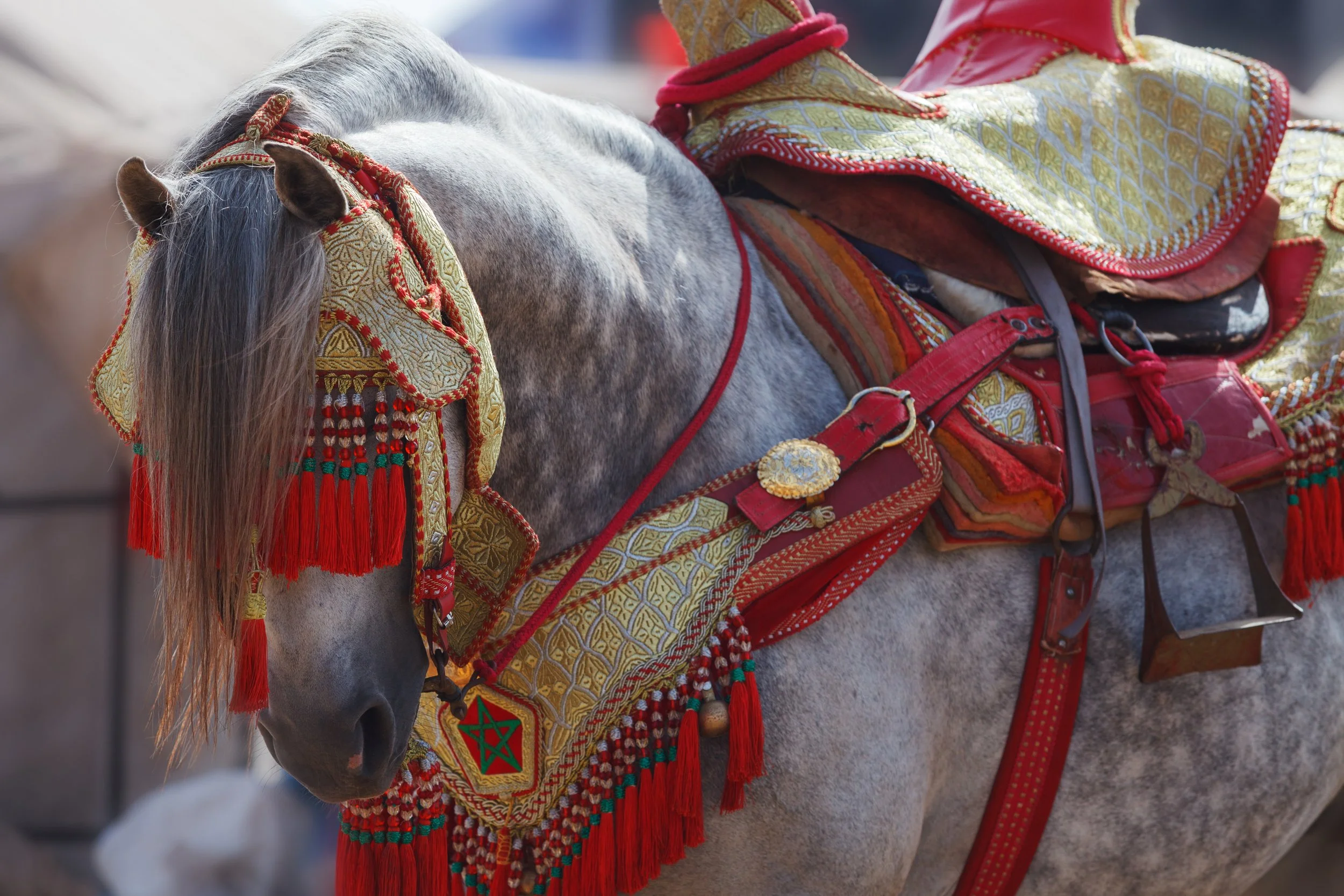
Discover Morocco's Tbourida, a traditional equestrian performance blending historical cavalry drills, Barb horses, and synchronized musket fire. Explore its origins, cultural significance, and modern evolution.
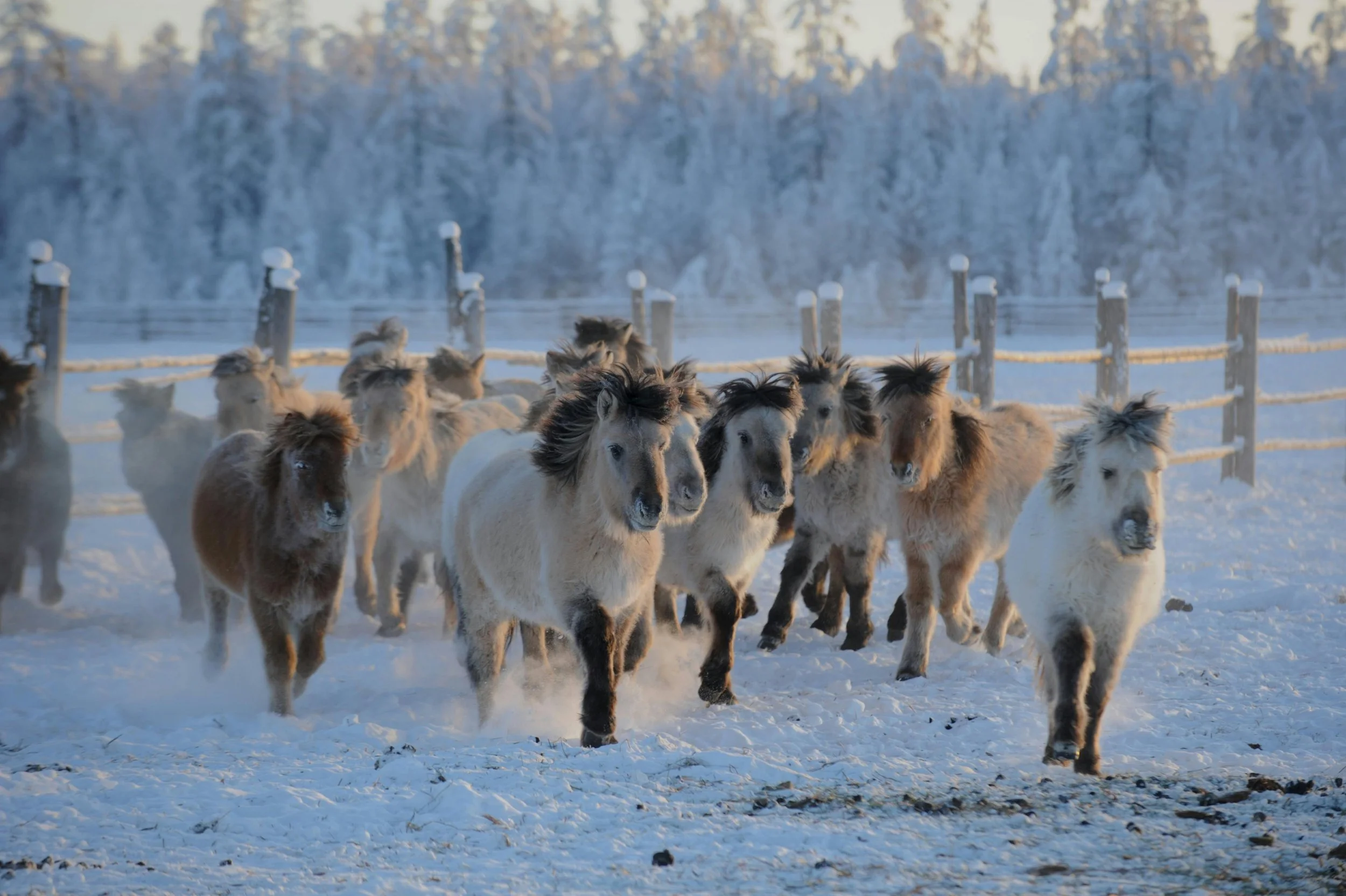
The only horses to thrive above the Arctic Circle, Yakutian horses survive unaided through -60°C winters. In Russia’s Sakha Republic, they live semi-wild and are revered as spiritual guides — a living link to survival in one of the world’s coldest inhabited regions.
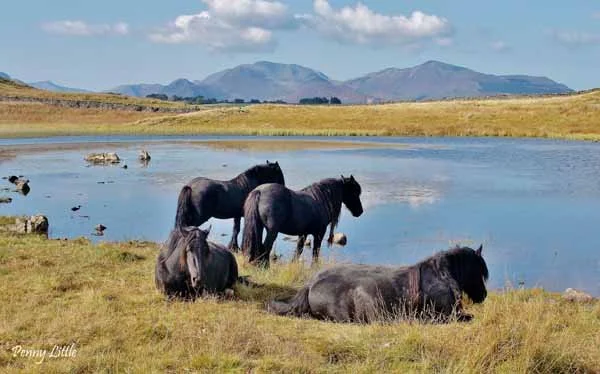
A childhood fascination turned into a real search across Cumbria — through backroads, stone walls, and unexpected help — to find the Fell Pony in its native home.
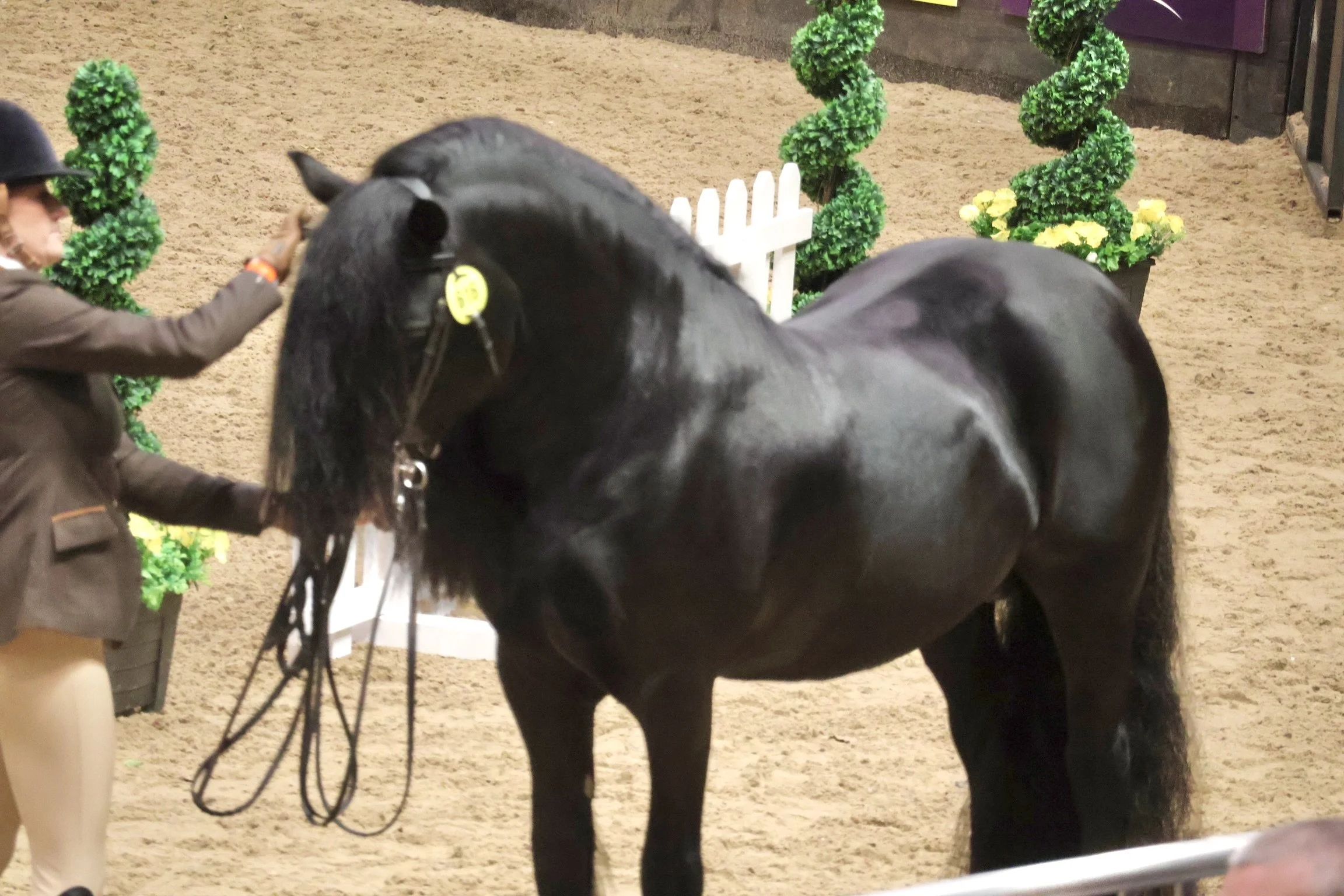
Bred on the wild fells of northern England, this sturdy pony was shaped by weather, stone and centuries of quiet labour — hardy, nimble, and deeply British.
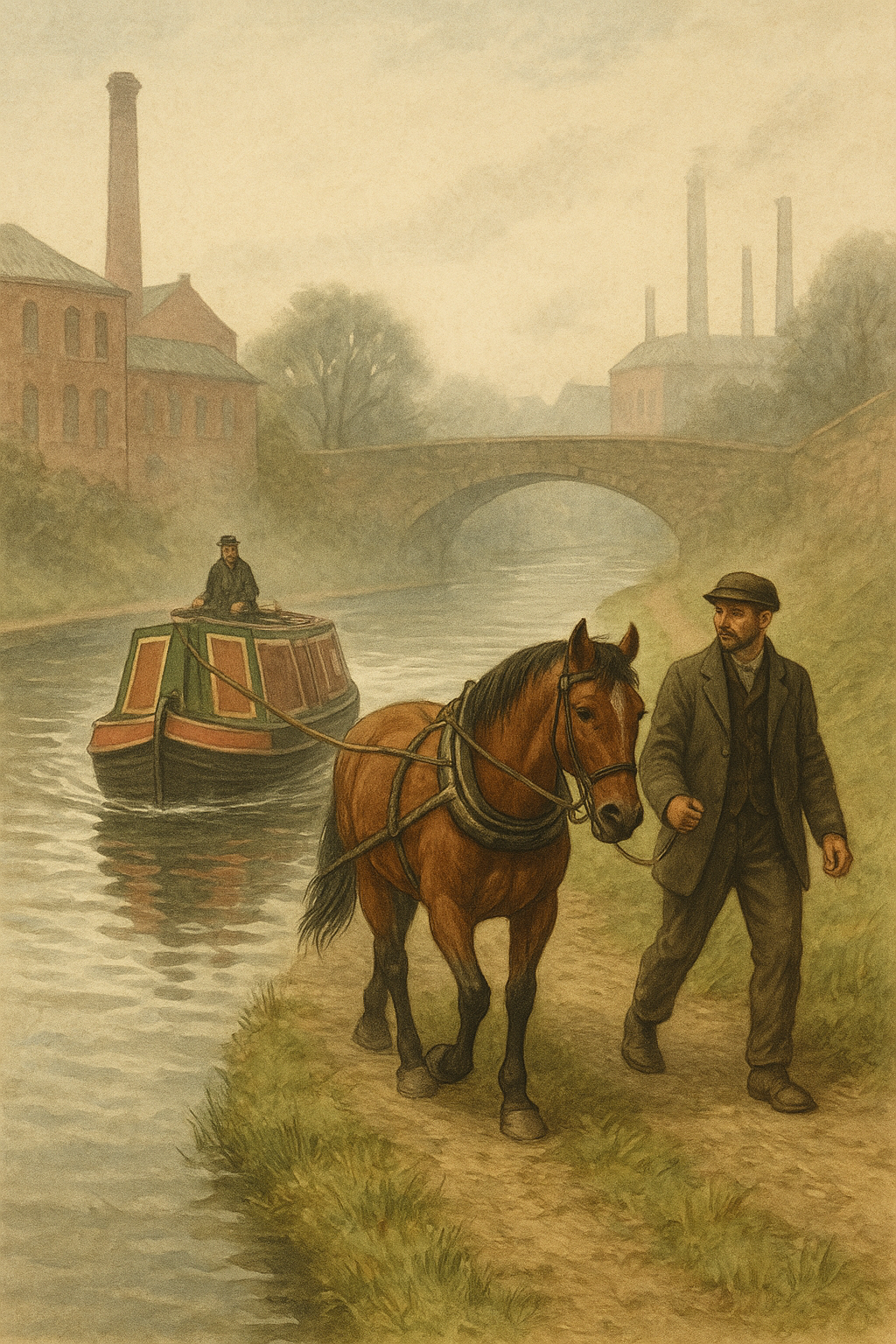
Long before Manchester’s canals became cafés and flats, Billy worked these waters. Today, his skull rests in the museum — the memory of a 62-year-old legend.
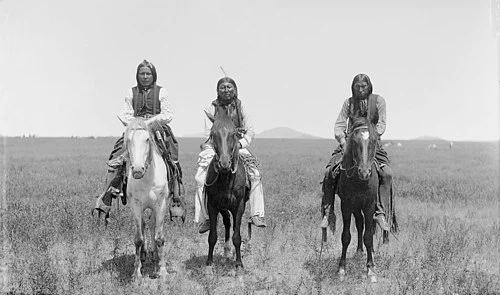
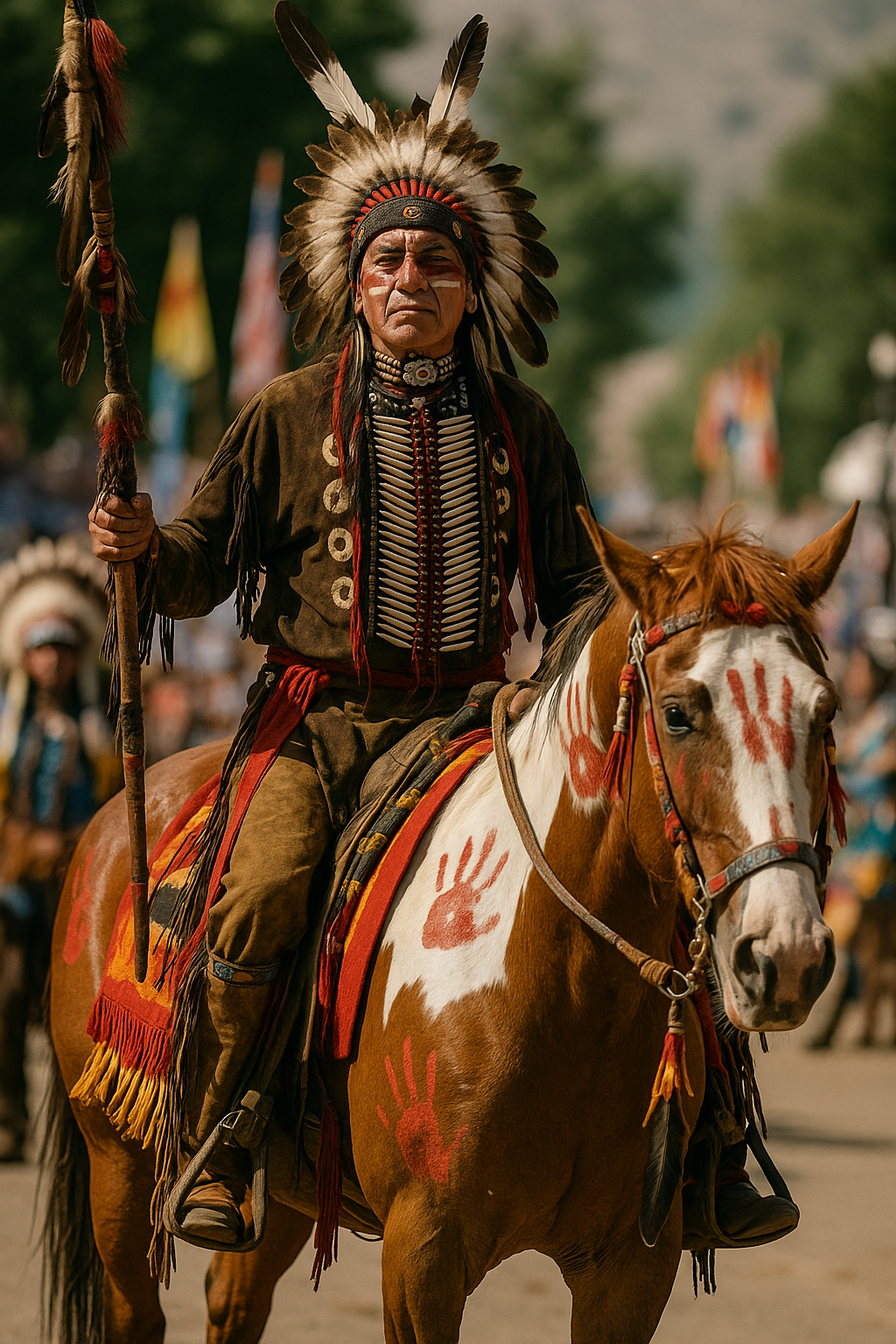
Extinct in North America for millennia, horses returned with European contact. What followed was a cultural shift led by Indigenous nations that changed history.
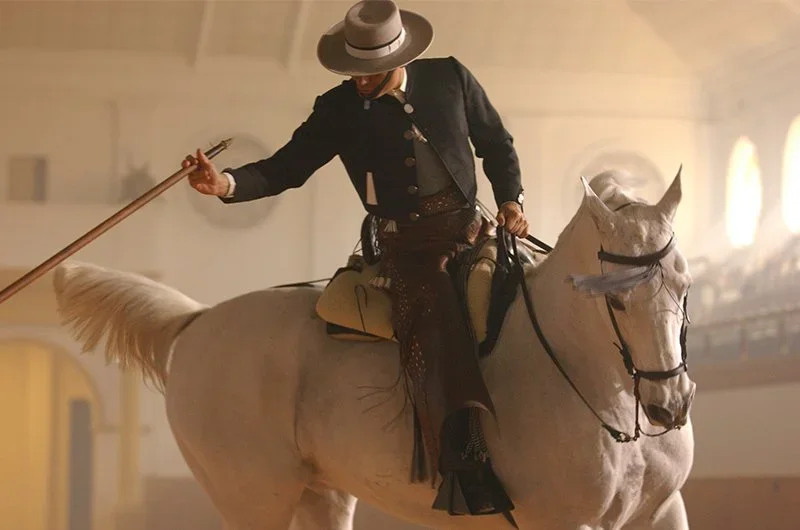
The vaquero is a product of terrain, livestock, and tradition — not a symbol, but a working figure in a centuries-old rhythm. In Vaquero: Land, Horse, and Heritage, we return to that origin, venturing into the dehesas of southern Spain to uncover a form of riding that remains both practical and poetic.
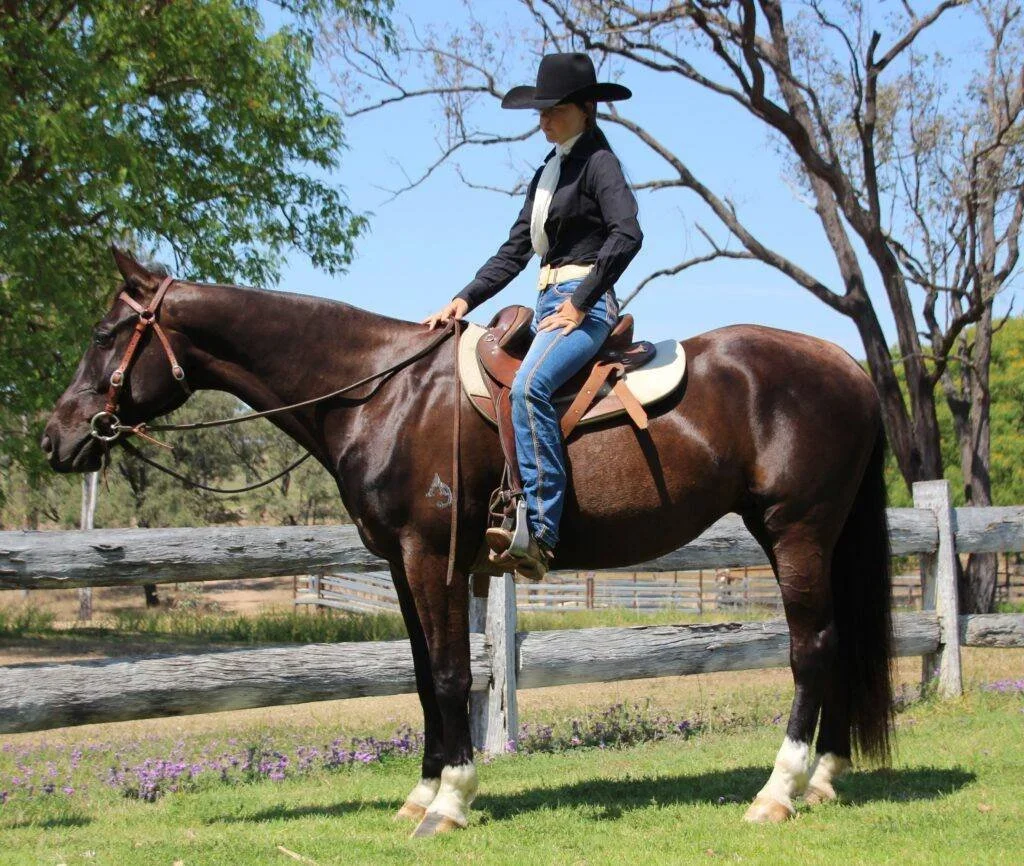
Under the relentless sun of the Australian outback, across sweeping plains and through rugged mountain trails, the Australian Stock Horse has long proven its worth—not with spectacle, but with quiet, enduring strength.
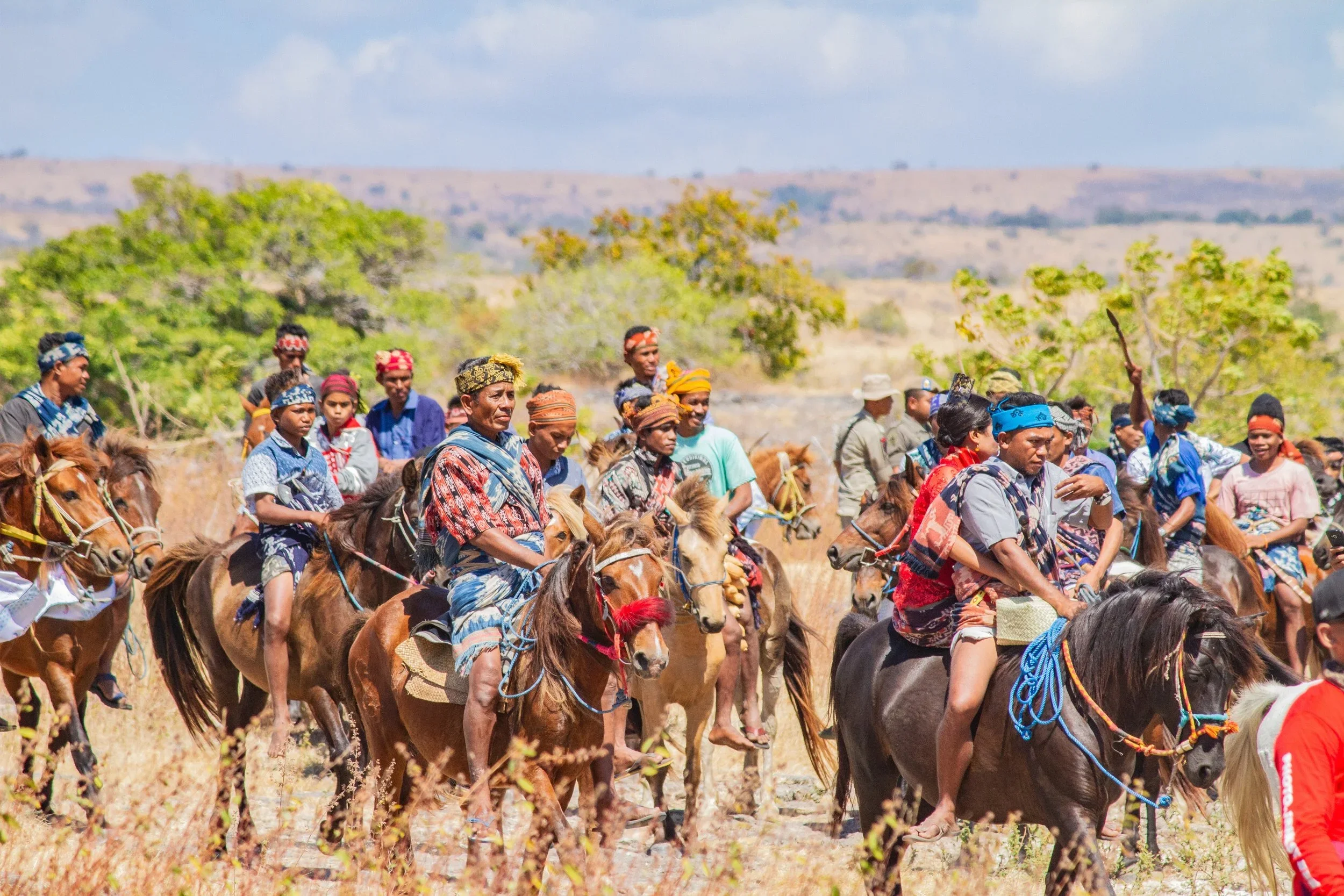
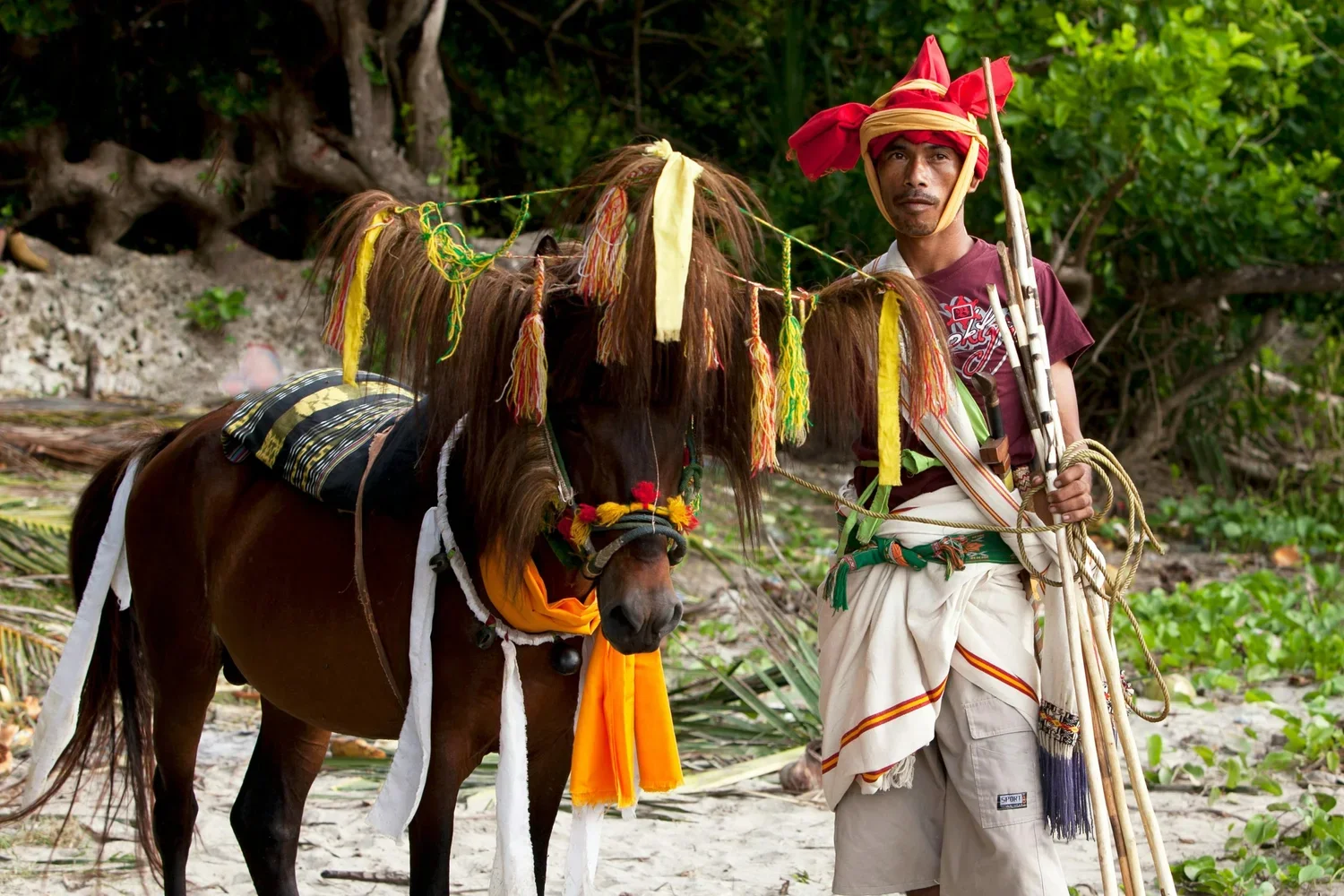
Small, tough, and culturally rich — the Sandalwood Pony of Sumba is more than a working horse. It’s a symbol of survival, pride, and cross-cultural legacy.
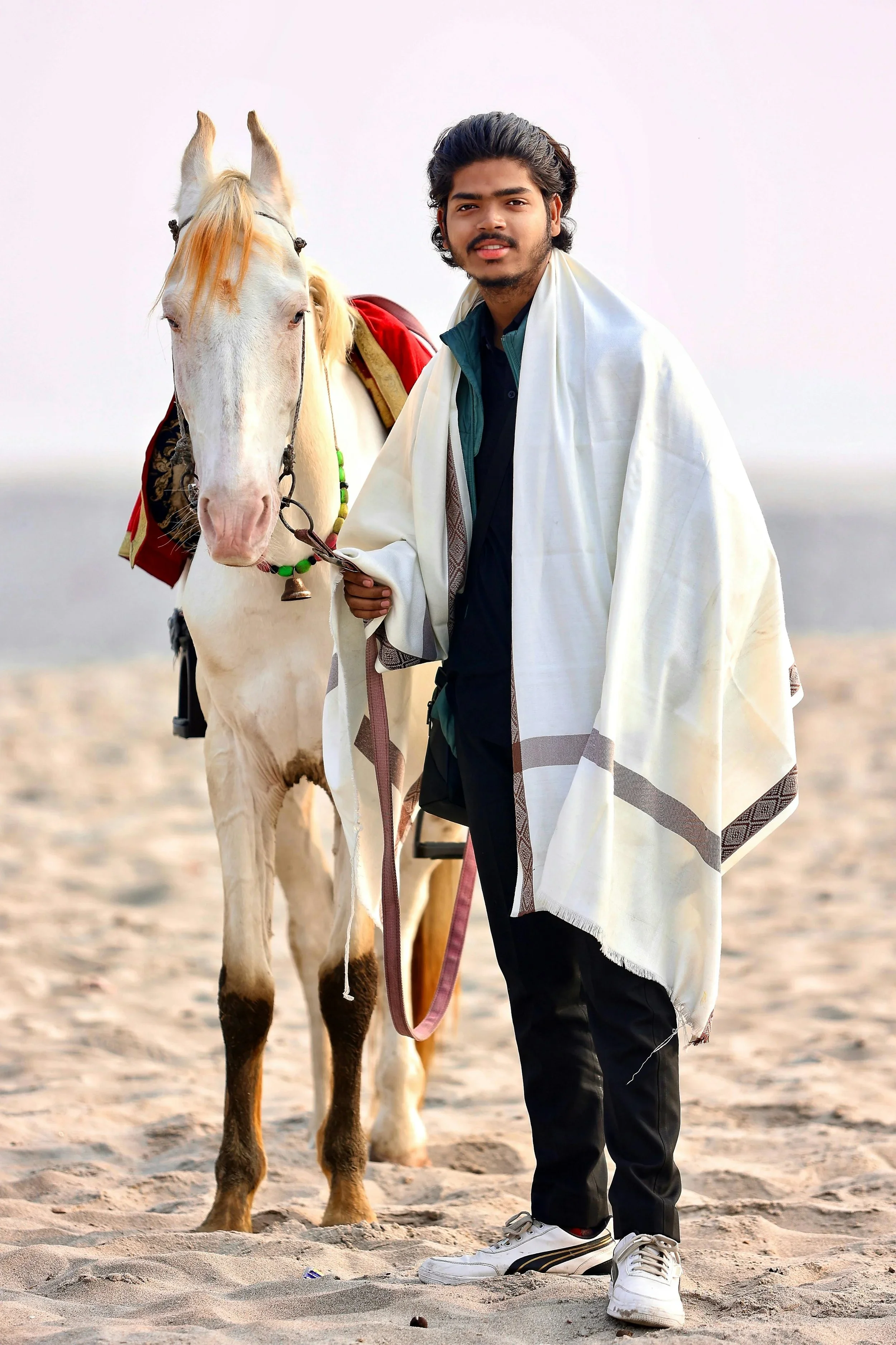
From Rajasthan’s deserts comes the Marwari — a warhorse, status symbol, and spiritual icon. Known for its inward-curving ears, it remains a bold emblem of India’s equine legacy.
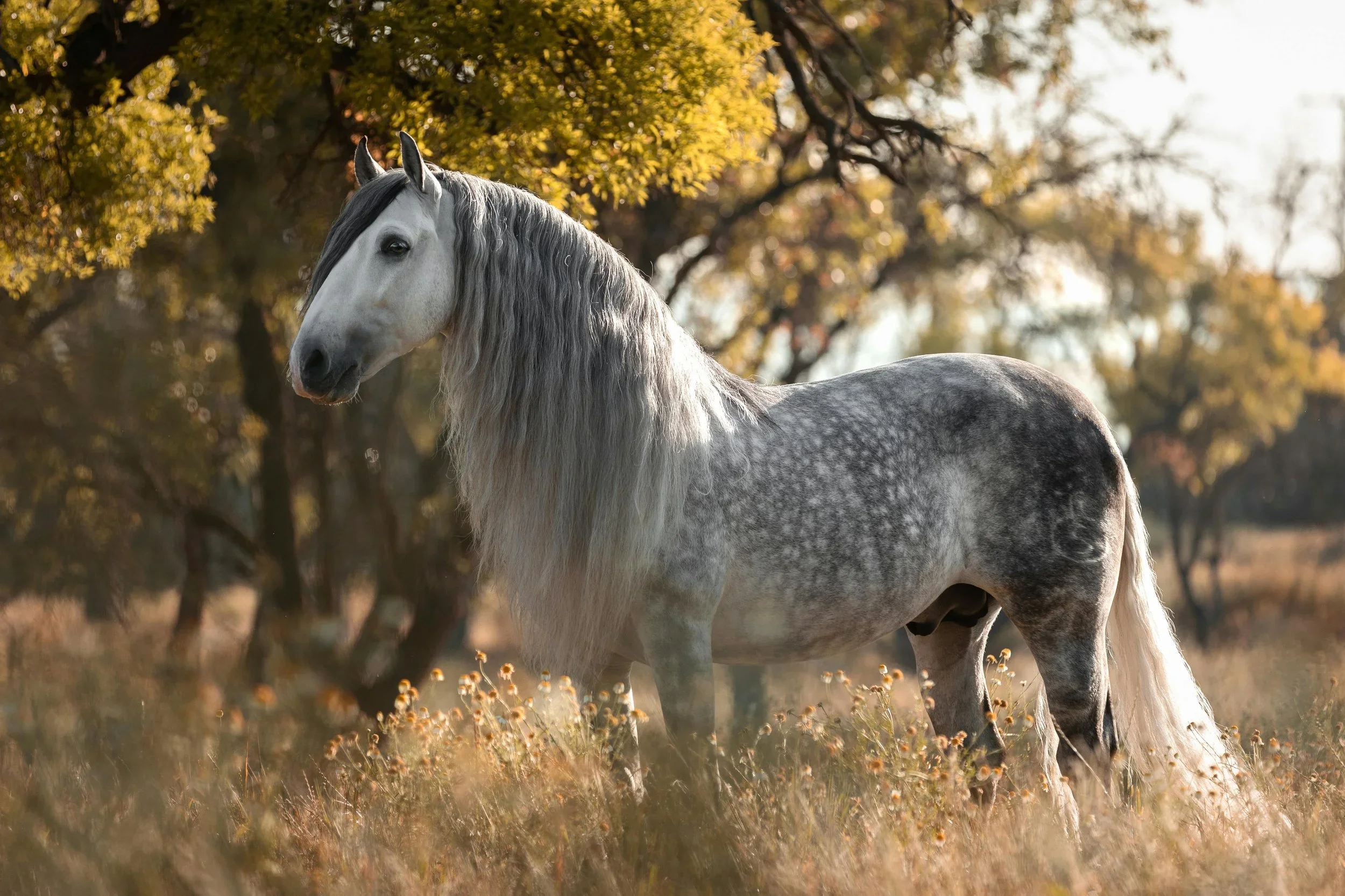
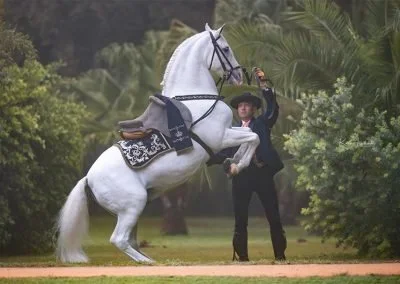
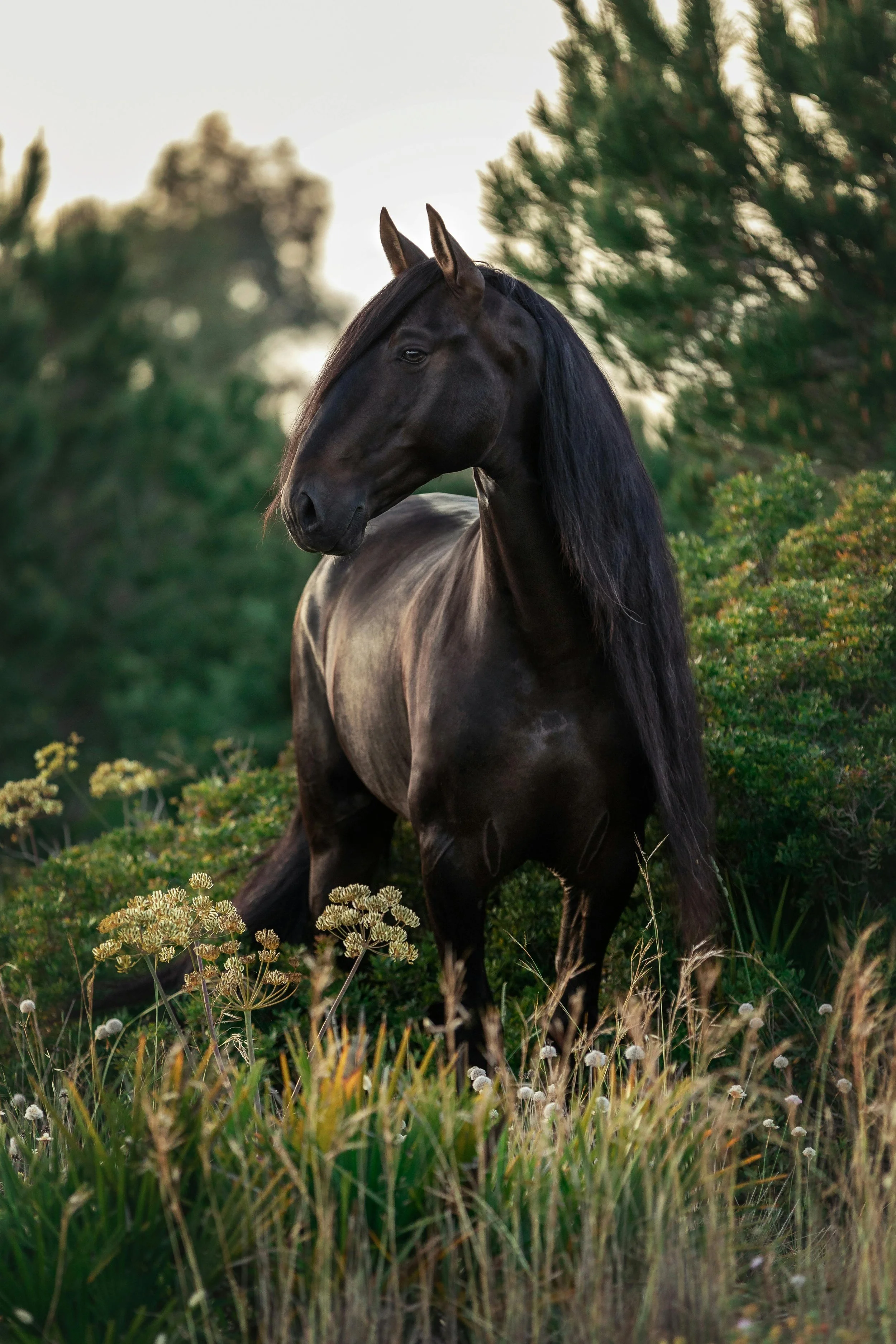
Graceful, powerful, and steeped in heritage, the Andalusian is Spain’s equine icon — a breed shaped by royalty, tradition, and centuries of cultural exchange.
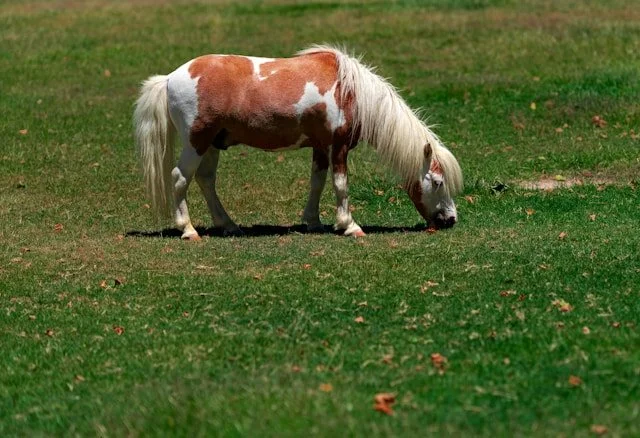
Miniature in size, monumental in story—the Falabella is a reminder that not all horses need to be ridden to leave a mark. Sometimes, they just need to be seen, understood, and celebrated.
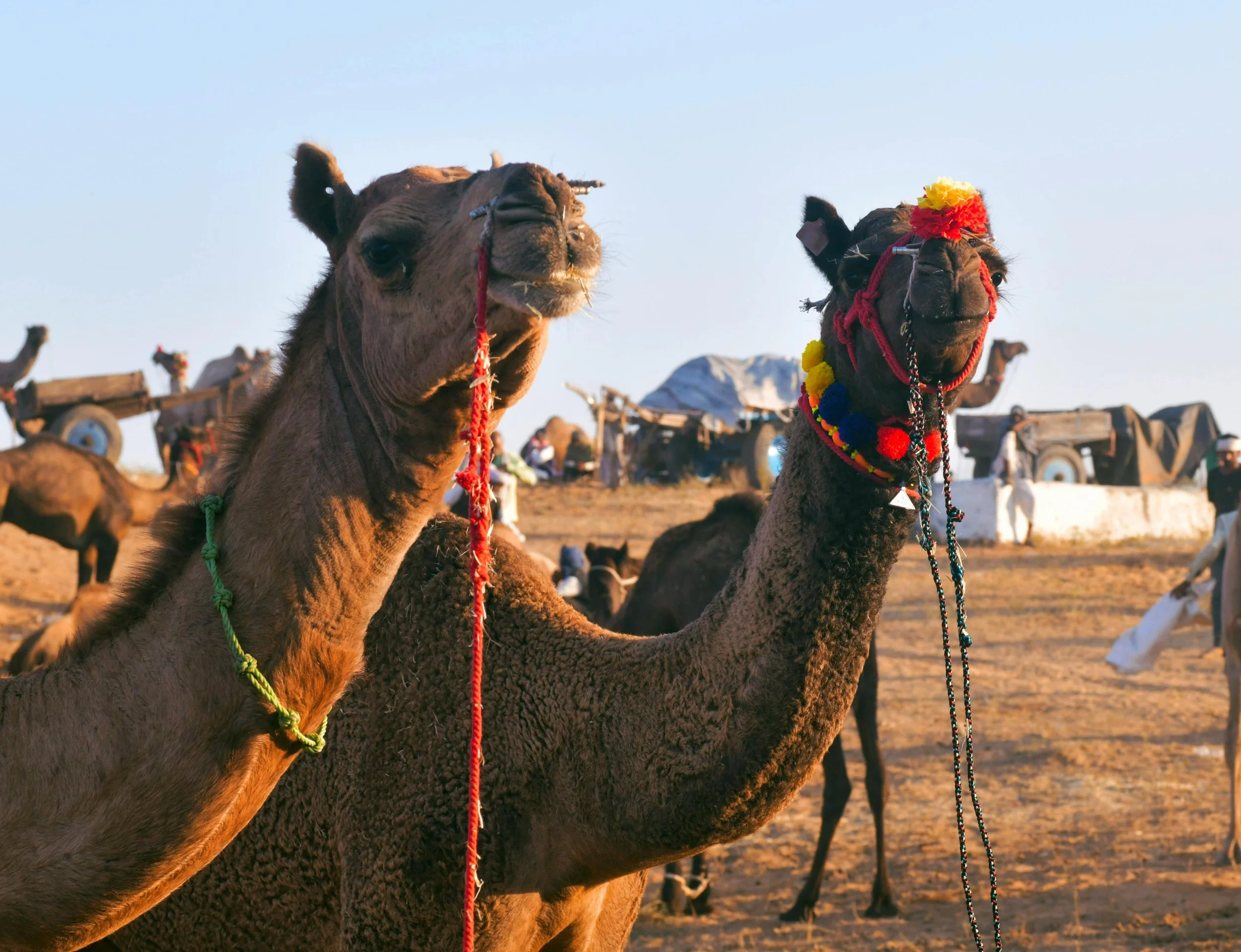
In the desert town of Pushkar, a sacred lake and a swirl of colour collide — drawing pilgrims, traders, and horsemen into India’s most iconic equestrian gathering.
Dry hills, stone tombs, and timeless rhythms define Sumba — a remote island where the Sandalwood pony still moves through daily life and ancestral memory.
From the ornate vaquero saddles of Andalusia to the minimalist elegance of classical dressage, Spanish tack tells a story of conquest, cattle, and craftsmanship. Explore how centuries of tradition shaped one of the world’s most influential riding styles.
Long before Spain was Spain, horses roamed the Iberian Peninsula. The first echoes of their presence appear in ochre and charcoal, painted onto the stone walls of caves like El Castillo and La Pileta. These were not decoration — they were reverence. Horses were survival, spirit, and story.